Accessibility at the MTA isn’t just a project or a checklist—it’s a commitment to building a transit system where every rider feels welcome, supported, and able to move confidently across the region. This year, that commitment translated into real, visible progress across subways, buses, commuter rail, paratransit, technology, and customer experience, strengthening the entire network and improving daily life for millions of riders.
As we reflect on the year’s accomplishments during Disability Pride Month, we celebrate not just the stations we opened or the tools we launched, but the broader shift underway: from access to belonging. Because accessibility benefits everyone, not just a few.
A historic year for station accessibility
The pace of accessibility upgrades across the MTA has never been faster. In the six years since 2020, the MTA has completed or begun work on as many station accessibility projects as in the entire three decades before.
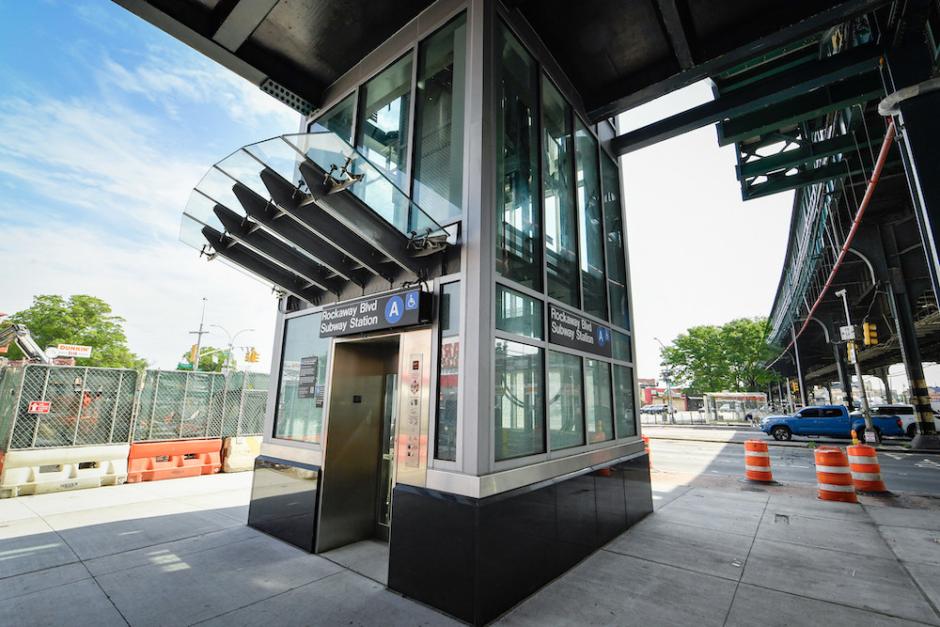
Today, the subway system has 160 accessible stations, nearly eleven times the 15 stations that were accessible when the ADA passed in 1990. This year alone, we made five subway stations fully accessible:
- 57 St
- Borough Hall
- Harlem-148 St
- Rockaway Blvd
- Parkchester
- Sheepshead Bay
We also celebrated accessibility upgrades at two LIRR stations, Babylon and Locust Manor, along with continued progress on Metro-North.
We’re also modernizing the elevators riders rely on. This year, 15 elevator replacements were completed, contributing to more than 100 elevators being replaced since 2020. These upgrades reduce outages, improve reliability, and make everyday travel smoother for riders who rely on them.
We are also investing billions into our bus service—continuing advancements in adding accessible features, ranging from front door ramps for easier boarding with mobility devices, to additional flip seats, the MTA Open Stroller Program, and enhanced audio & visual information systems.
Access-A-Ride is having a record-breaking year, regularly delivering service to 50,000 daily riders. Customer satisfaction remains high, with 80% of customers satisfied with their last trip. Paratransit continues to provide reliable service, exceeding the 94% 30-minute OTP goal and successfully making most pickups well within 20-minutes of the promised time.
Innovation that breaks barriers
Accessibility is not only about elevators and ramps. It’s also shaped by how riders receive information, communicate with staff, and navigate the system.
Over the past year, the MTA expanded several accessibility innovations:
- NaviLens for blind and low‑vision riders: High‑contrast visual markers help smartphone users receive real‑time, multilingual wayfinding information.
- Convo: This pilot provides real‑time ASL interpretation for Deaf riders seeking assistance.
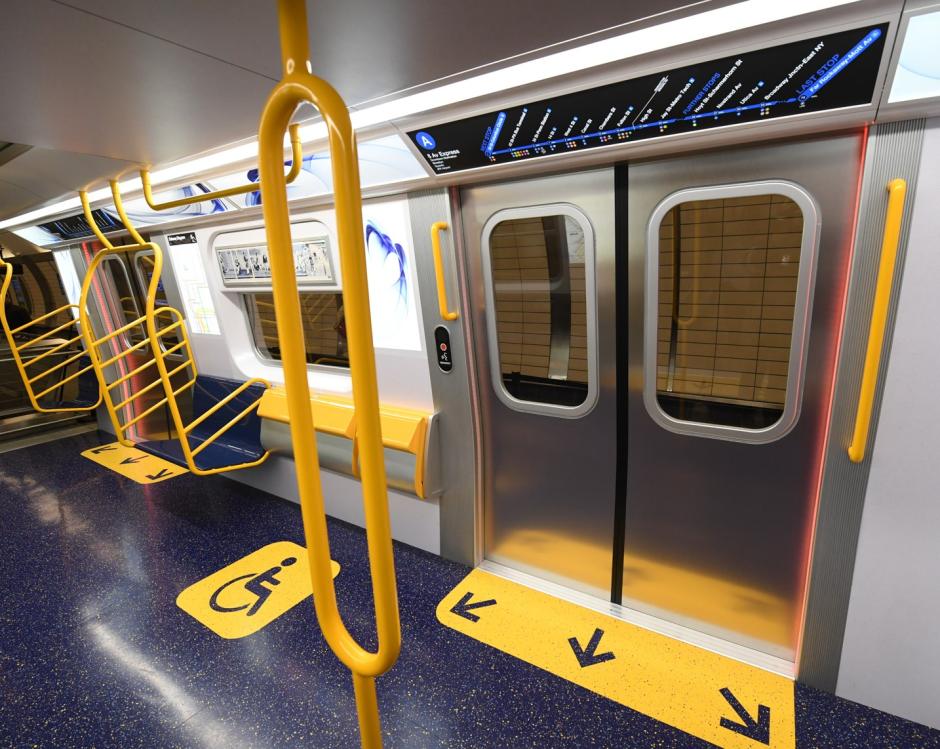
- R211 subway car upgrades: More R211s have been rolled out, bringing overhead screens and updated audio systems to new lines like the .
- Modern digital tools: the new MTA app, TrainTime, MyAAR, and real‑time elevator alerts have been designed and tested with accessibility in mind.
These tools don’t just remove barriers; they make using transit easier and more intuitive for everyone.
Building a more accessible ride on every mode
Looking forward, we’ll build on past successes and lessons learned to further prioritize accessibility around the system.
- A more accessible subway system
- Big elevators, modern, clear circulation paths, better wayfinding, and targeted upgrades across stations help riders of all abilities navigate platforms, mezzanines, and street level more easily.
- The first fully accessible bus system in the U.S.
- New York City remains home to the first fully accessible bus fleet in the country. Recent improvements—wider doors, lower floors, ramps, digital signage, and the Open Stroller Program—make buses easier to use for parents, caregivers, older adults, and riders with mobility devices.
- Commuter rail: 97% of riders use accessible stations
- Both LIRR and Metro-North continue upgrading stations and improving care programs, supporting independent travel across the region.
- Paratransit: Modern services, improved tools
- Integration with OMNY, improved communication through My AAR, and customer-led refinements ensure Access-A-Ride continues evolving into a more reliable, empowering service.

Accessibility is about people
Behind every upgrade is a team of engineers, maintainers, customer service staff, and community engagement specialists who help riders every day. Their work builds the experience that riders feel on the ground, whether that’s clearer information, a smoother path through a station, or faster support when something goes wrong.
And it supports far more riders than people realize:
- New Yorkers with disabilities
- Older adults wanting to age in place
- Parents and caregivers
- Travelers with luggage
- Tourists navigating the city
- Riders who speak languages other than English
- Anyone experiencing temporary mobility needs
Accessibility benefits everyone because nearly all riders will need it at some point in their lives.
Our commitment: access today, belonging tomorrow
36 years after the ADA, the work toward equity continues and the MTA is committed to leading that work. The ADA marked an important milestone, and the next chapter is about belonging. It’s about how the system feels: whether riders feel welcomed, understood, supported, and included.
This year’s accomplishments—new station upgrades, new technologies, new tools, new policies—move us closer to a system where every rider can say: “This was built with me in mind.”
We know there is more to do—more elevators to open, tools to deploy, and barriers to remove. But the direction is clear, and the momentum is strong.
One station at a time. One rider experience at a time. One future—built for everyone.